

Waterproof cooling fan is a kind of electrical equipment cooling fan that operates stably in humid or special environment, which can effectively prevent the damage of electrical components due to the entry of moisture, and at the same time, it has the function of maintaining high efficiency of heat dissipation, adapting to a variety of harsh working environments.
In terms of appearance, a waterproof cooling fan usually has a high-quality aluminium alloy housing, which can effectively protect the internal components from moisture and dust. It is also equipped with an efficient heat sink, consisting of a copper base plate, an aluminium heat sink, a heat sink and other components, which, together with the high-speed rotation of the fan, can quickly dissipate heat and ensure the normal operation of the equipment.
Waterproof cooling fan waterproof process mainly has two categories: structural waterproof and surface coating. Structural waterproofing is through the design of special waterproof structure inside the fan, such as seals, waterproof pads, etc., to prevent water from entering the fan. Surface coating is to apply a layer of waterproof coating on the surface of the fan, such as triple-proof paint, nano-coating, etc., to improve the waterproof performance of the fan.
Waterproof cooling fan has a wide range of applications, such as in industrial equipment, medical equipment, automotive electronic equipment and other fields have a wide range of applications. It can effectively prevent water from entering the equipment to ensure the normal operation of the equipment, and at the same time can maintain the efficient cooling performance to extend the service life of the equipment.
Overall, waterproof cooling fan is a very practical equipment, it can effectively protect the equipment from moisture and dust, while maintaining efficient cooling performance, is an important guarantee for the operation of the equipment.
Home appliance cooling fans are used in a wide range of applications, including TVs, computers, stereos, refrigerators, air conditioners and other various electrical devices. When using home appliance cooling f...
Computer's CPU, graphics card, motherboard and other hardware will generate a lot of heat when running under high load, cooling fans are widely used inside the computer to help emit heat and ensure the norm...
Various electronic devices, such as TVs, stereos, routers, cameras, etc., need cooling fans to help dissipate heat and prevent the devices from overheating and getting damaged.
Installing a case fan takes away heat and heat from inside the computer, thus reducing the risk of hardware failure, ensuring the normal operation of the computer and prolonging the hardware life of the PC syst...
Axial fan is a kind of equipment that relies on rotating fan blades to convert gas into airflow, which has the characteristics of simple structure, high efficiency, stable operation, etc. It is widely used in the fields of food processing, industrial production and ventilation equipment. This article will introduce the advantages of axial fan in detail.First of all, the air volume of the axial fan is large. The design of the blades of an axial fan makes the air flow in the direction of the radius of the blades, which generates a larger air volume. This makes the axial fan perform well in ventilation and air circulation, and can meet the needs of different working conditions, such as explosion-proof working conditions, corrosion-proof working conditions, high-temperature-resistant working c...
Noise Control Technology for Cooling Fans and Its Impact on User Experience Introduction In recent years, with the rapid development of electronics and information technology, the demand for cooling fans in various electronic products has increased significantly. However, the noise generated by these fans has also become a major issue for users. Noise control technology for cooling fans has become a crucial aspect of product design and development, as it directly impacts user experience. This article aims to provide an overview of noise control technology for cooling fans and its impact on user experience. Background Cooling fans are essential components in many electronic devices, such as computers, servers, and smartphones, to prevent overheating and ensure optimal performance. Howev...
Title: Maintenance and Cleaning Techniques for Laptop Cooling Fans: A Comprehensive Guide In the realm of technology, laptops have become an integral part of our daily lives. They serve as our primary source of communication, information, and entertainment. However, these portable devices can generate a significant amount of heat during regular use, which can lead to overheating and potential hardware damage. This is where laptop cooling fans come into play. These ingenious devices help dissipate heat and maintain the optimal operating temperature of your laptop, ensuring its longevity and performance. Maintenance of Laptop Cooling Fans Regular maintenance of your laptop's cooling fans is crucial to ensure their optimal performance. Here are some tips to keep your laptop fans in tiptop ...
A blower is a mechanical device that is used to transport air from one place to another by means of a mechanical device. There are many different types of blowers, including Roots blowers, centrifugal blowers, rotary blowers, and axial flow blowers, each of which has its own unique working principles and uses.The Roots blower is a fixed volume blower whose air volume is proportional to the number of revolutions, and is widely used in various industries, such as petrochemical, electric power, metallurgy, food and pharmaceutical, and cement and building materials, because of its high mechanical strength, low noise, and low vibration. It provides sufficient gas power for enterprises through its unique working principle and structural characteristics.The centrifugal blower is a constant pressu...
Title: The Application Prospects of Intelligent Regulation of Cooling Fans in Smart Homes Introduction: With the rapid development of technology and the increasing demand for comfort and convenience in people's daily lives, smart homes have become a popular trend. One of the key components in ensuring a comfortable living environment is temperature regulation. In this regard, intelligent regulation of cooling fans plays a significant role in smart homes. This article aims to explore the application prospects of intelligent regulation of cooling fans in smart homes. Background: In recent years, the concept of smart homes has gained significant attention from the public. A smart home is a residence that is equipped with electronic devices that can automate and control various home systems,...
Choosing a cooling fan size requires a number of factors to be considered, including the power of the fan, the airflow, and the amount of heat generated by the device. Airflow is the speed and volume of air flowing through the fan blades, while air pressure is the pressure created by pushing air through the blades. The larger the fan size, the greater the airflow will usually be, but at the same time the lower the air pressure. Conversely, the smaller the fan size, the higher the air pressure but the lower the airflow.There are many factors to consider when sizing a cooling fan, including:Equipment heat: Fan size needs to be selected based on the heat generated by the equipment. For example, a 1916667CFM airflow is required on a computer, and a 12250CFM airflow is required on a DC switchin...
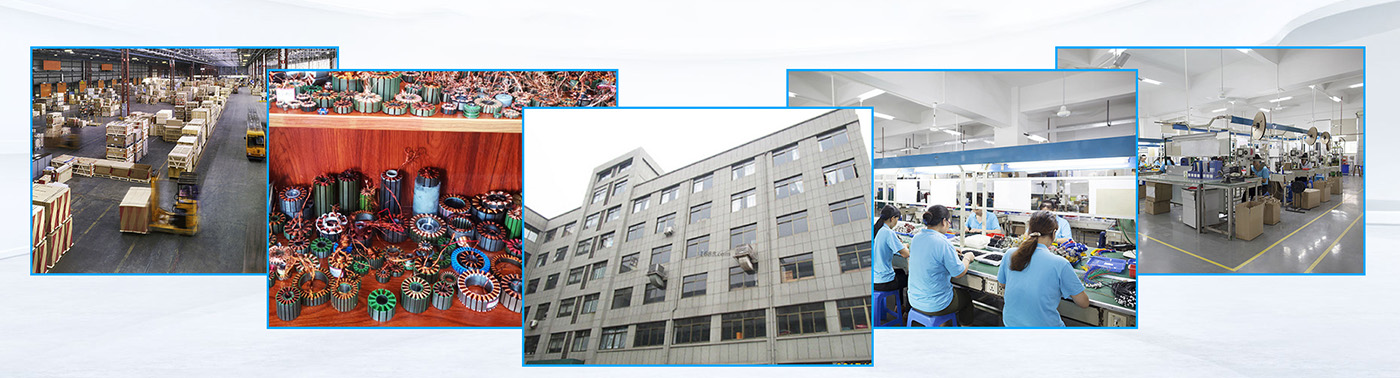
We are a Chinese manufacturer specializing in the research and production of cooling fans. We have the most advanced experimental equipment and professional testing equipment, with 150 employees. Our company has passed ISO9001, 14001 management system certification and IATF16949 vehicle specification certification. Our products are distributed all over the world, and we have formed suppliers in several industries including photovoltaic energy storage, communication equipment, 3D printing, automotive, medical equipment, and charging equipment.



In the world of modern electronics and intelligent devices, managing heat isn’t just good practice—it’s essential for performance, safety, and long-term reliability. From high-speed computing to everyday household appliances, thermal regulation lies at the core of operational efficiency.
At the heart of it all?
Whether you’re running a data center, operating medical equipment, or designing next-gen EVs, the right fan makes the difference between uptime and downtime, efficiency and waste. In this article, we’ll break down how our advanced cooling fan solutions are applied across key industries—and what makes them the preferred choice for global manufacturers.
When electronic systems heat up, performance drops and failure risk spikes. Cooling fans combat this by ensuring continuous airflow, preventing overheating, and stabilizing internal temperatures. But not every fan fits every use case. Different industries demand different features—whether it’s waterproofing, low noise, high static pressure, or compact design.
Let’s dive into 10+ core industries and explore how our fans are engineered to solve real-world thermal challenges.
Medical environments demand silent, sterilizable, and highly reliable thermal management. Cooling fans used in diagnostic equipment, ventilators, and imaging systems must run 24/7 without failure.
● CT & MRI systems
● Portable medical devices
● Blood analyzers & incubators
● Prevent thermal shutdowns
● Ensure accurate, stable performance
● Avoid noise pollution in clinical spaces
● Low-noise brushless motors
● Anti-bacterial housing options
● UL & ISO13485 compliance
In 3D printing, thermal inconsistencies can ruin an entire build. Cooling fans are essential for nozzle temperature control, bed cooling, and motherboard ventilation.
● Hotend cooling
● Stepper motor ventilation
● Control board heat dissipation
● Avoid filament jams and heat creep
● Maintain precise layer bonding
● Keep electronics from overheating
● PWM speed control
● Compact size (25–60mm)
● Low vibration and high airflow balance
Telecommunication infrastructure runs 24/7. Whether in cell towers, base stations, or server racks, heat is a constant threat to uptime.
● Power supplies
● Signal repeaters
● Network switches
● Overheating during peak load
● Dust accumulation in outdoor systems
● Noise limitations in enclosed cabinets
● IP55–IP67 waterproofing
● Long-life ball or fluid dynamic bearings
● Remote fan failure alarm systems
Modern vehicles are rolling computers. From ADAS systems to battery packs, every module requires targeted thermal control.
● Battery cooling for EVs
● ECU, inverters, onboard chargers
● Infotainment and display modules
● Prevent thermal runaway in battery packs
● Stabilize ECU under high-speed loads
● Reduce component failure rate in high-temp zones
● IATF16949 automotive standard compliance
● Vibration-resistant fan structures
● Custom airflow tuning via PWM/FG control
Factories, plants, and automation lines run on logic controllers, sensors, and motors—each generating serious heat. Our cooling fans are built to thrive in harsh, dusty, and high-load environments.
● Control cabinets
● IGBT power modules
● PLC and HMI panels
● Keeps logic systems stable in extreme conditions
● Prevents shutdowns due to heat overload
● Withstands oil, moisture, and contaminants
● IP-rated casings
● Filter-friendly design
● 24/7 duty-cycle durability
From ovens to purifiers, modern appliances are smarter—but also hotter. Thermal regulation ensures they remain safe, effective, and user-friendly.
● Refrigerator compressors
● Microwave venting systems
● Convection ovens & air purifiers
● Silent airflow for user comfort
● Prevent overheating damage to internal boards
● Extend appliance lifespan
● Ultra-quiet fans (<18 dBA)
● Heat-resistant thermoplastic blades
● Eco-friendly low-power models
BMS (Battery Management Systems) and solar inverters must operate efficiently—often in outdoor conditions with intense sun exposure. Active cooling is a must.
● Lithium battery modules
● Hybrid solar inverters
● Off-grid energy boxes
● Avoid battery swelling and overheating
● Keep power conversion components stable
● Prevent system failure during peak sunlight hours
● Wide voltage (5V/12V/24V/48V)
● DC brushless fan motors
● High air volume, low power draw
In avionics and aerospace systems, thermal control can mean mission success or failure. Cooling solutions must withstand pressure changes, vibrations, and limited airflow.
● In-flight entertainment systems
● Avionics cooling modules
● Satellite communication units
● Support temperature-sensitive circuits
● Prevent premature component failure
● Maintain operational safety at altitude
● Aerospace-grade materials
● Extreme-temperature resilience (-40°C to 85°C)
● Lightweight, shock-resistant design
Even in compact wearables or IoT hubs, heat management affects user comfort and device reliability.
● Mini cooling in AR/VR headsets
● IoT sensor hubs
● Smart home control units
● Heat buildup in confined spaces
● Performance lag from thermal throttling
● Maintaining ambient-friendly noise levels
● Micro fans (as small as 20mm)
● Ultra-slim profiles (<10mm)
● Near-silent operation
Cordless tools and power systems generate high amounts of heat. Thermal failure can result in fire hazards or permanent equipment damage.
● Brushless motors
● Battery packs
● Digital control interfaces
● Battery thermal runaway
● Motor coil overheating
● Component wear from excessive temps
● High static pressure output
● Ruggedized housing
● Dust- and water-resistant (IP65)
To get the most out of your cooling system, regular maintenance is crucial:
✅ Clean the Blades: Dust build-up restricts airflow and raises noise
✅ Check for Vibration: Excess movement signals bearing wear
✅ Monitor RPMs: A drop in RPM can signal motor issues
✅ Replace Every 24–36 Months: Especially in continuous use environments
We’re more than just a cooling fan manufacturer—we’re a thermal solutions partner. With over 150 employees, advanced R&D labs, and full ISO9001, ISO14001, and IATF16949 certification, we engineer fans tailored for real-world challenges.
● Full size range (20mm to 172mm) AC/DC
● Custom solutions: waterproof, dustproof, ultra-silent, high airflow
● Global shipping and OEM/ODM support
● Fans for every sector: industrial, automotive, energy, consumer electronics, and more
As a high-quality cooling device, the low-power cooling fan offers a variety of advantages, such as lowering operating costs, improving operational efficiency, extending the life of equipment, and reducing ener...
Centrifugal fans are an air-powered mechanical device widely used in a variety of industrial facilities. The following is a common application method, which enables centrifugal fans to realize automation contro...
Axial fans are a common type of fan, mainly used in places such as ventilation and chillers. Because of its simple structure but high data requirements and the ability to transport explosive, volatile and corro...
Axial fan is a device that utilizes the principle of air flow and heat exchange to produce heat, which is mainly used to rapidly increase the indoor temperature and maintain the humidity balance. It is widely u...
Crossflow fans and vertical fans are two different types of fans with different characteristics and application scenarios. The following is a brief comparison of these two types of fans:1. Different constructio...
The crossflow fan is an industrial fan widely used in air purifiers, air conditioners, air curtain equipment, dryers, hairdryers, home appliances, and grain combines. It produces an axial flow velocity between ...


